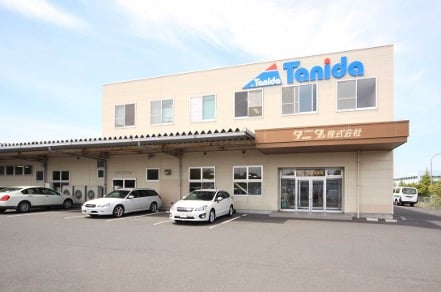
TANIDA Co., Ltd.
The challenge of variable printing with QR codes and barcodes
TANIDA Co., Ltd. uses SurePress to handle a wide variety of label and sticker printing applications, including high-mix, short-run production.
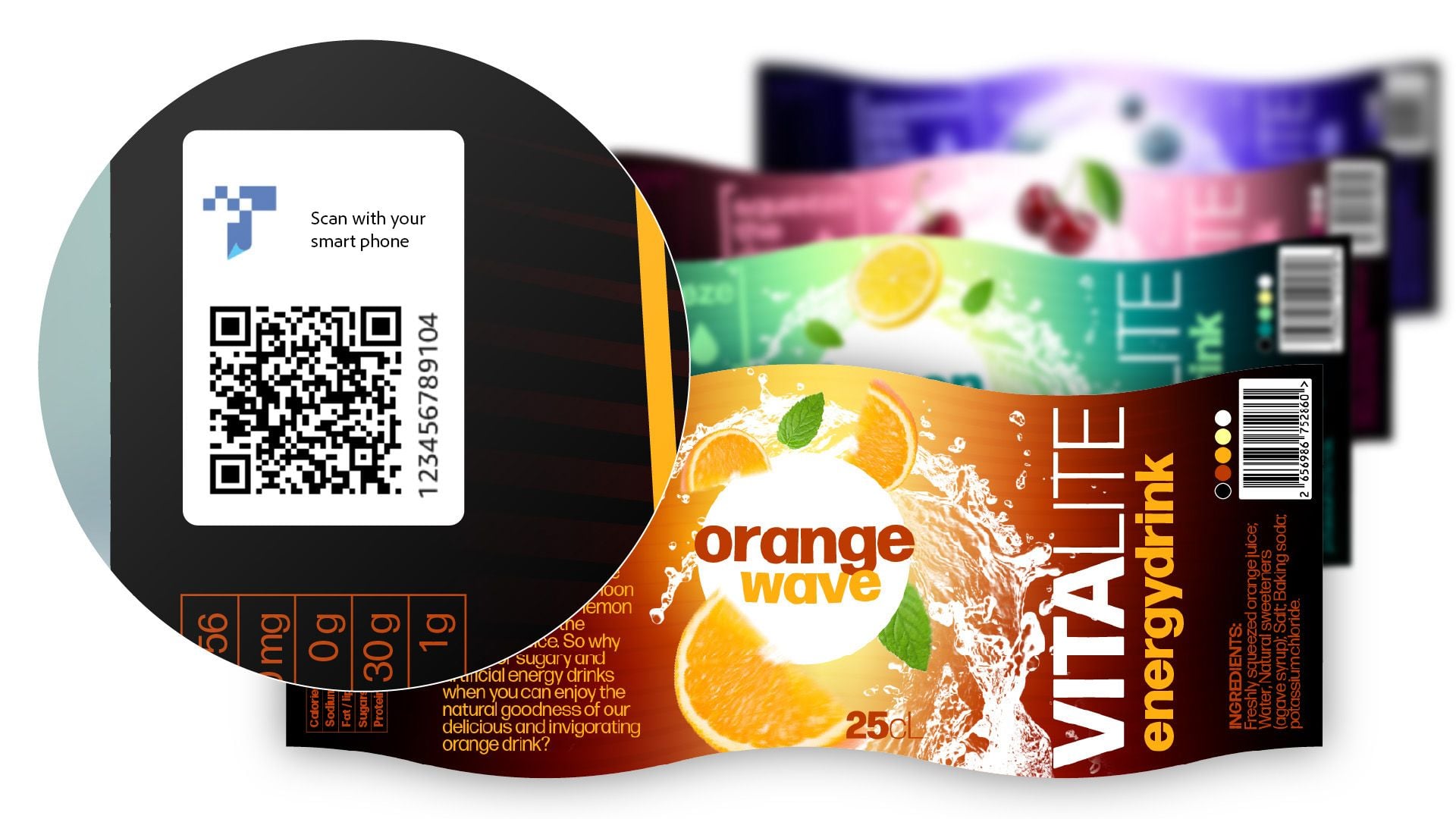
One of the company’s major challenges was variable printing, in which information such as QR codes, barcodes, and serial numbers differs from one label to the next.
With the software previously used, preparing data containing variable barcodes and QR codes required considerable time and effort. For example, printing 100 different barcodes required the preparation of 100 separate PDF files, one for each barcode.
This work placed a significant burden not only on TANIDA but also on customers preparing print data. As a result, even when TANIDA received inquiries involving variable data, some jobs were too difficult to accommodate and had to be declined.
More than 100,000 variable records could take days just to prepare
Jobs involving large volumes of variable data presented a particularly significant challenge.
In the previous environment, limitations on the amount of data that could be processed at one time meant that, for example, a job containing 100,000 variable records had to be divided into batches of approximately 5,000 records. More than 20 folders then had to be created, with the data generated repeatedly for each batch.
For jobs containing 100,000 to 120,000 records, data preparation alone could take several days, sometimes requiring PCs to continue processing overnight.
Furthermore, if an error occurred during processing, the data had to be regenerated. This made it difficult to predict processing time accurately, creating significant challenges not only for operators but also for delivery schedule management.
STEPZ introduced to strengthen variable printing capabilities
To address these challenges, TANIDA had been evaluating a number of solutions. However, it was difficult to find a product suited to its actual production requirements, and the company was unable to achieve the variable data processing capabilities it needed.
Against this background, Seiko Epson Corporation introduced TANIDA to HYBRID Software’s STEPZ.
The primary objective in introducing STEPZ was to strengthen TANIDA’s ability to handle variable printing, including QR codes and barcodes.
Today, TANIDA uses STEPZ to efficiently generate print data by linking CSV data with a wide variety of variable information, including QR codes, barcodes, serial numbers, numbering, product names, character names, and JAN codes.
A workflow combining PDF creation, STEPZ, and SurePress
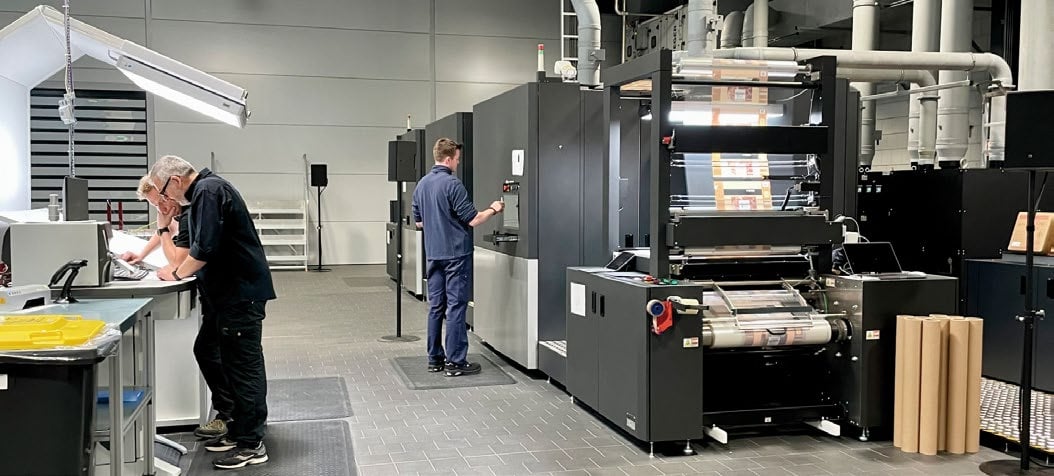
In the current basic workflow, print data is first imposed using design and layout software and then output as PDF. The PDF is loaded into STEPZ and linked with CSV data to generate variable information such as QR codes, barcodes, and product names. The completed variable print data is then sent to SurePress for label printing.
SurePress L-4733AW
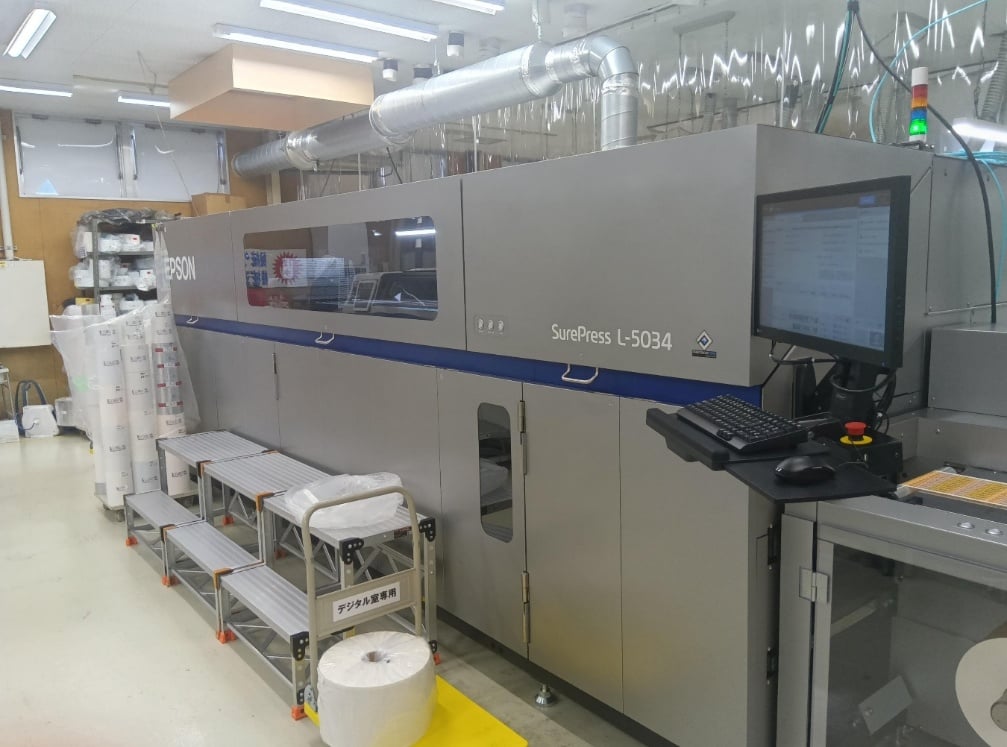
SurePress L-5034
Among the many functions available in STEPZ, TANIDA makes particular use of its Variable Data Printing functionality.
By using STEPZ to generate QR codes and barcodes, link CSV data, and perform numbering, TANIDA has greatly streamlined the preparation of variable print data that previously required extensive manual work.
Effective for high-mix, short-run, variable jobs such as character merchandise
One area in which STEPZ has proven particularly effective is label printing for character merchandise, a market that has been growing in recent years.
For products such as anime and idol merchandise and figure-related goods, the basic design may be the same while product names and JAN codes differ by character, with different print quantities required for each item.
This is precisely the type of market that requires high-mix, short-run label production with variable information: a very large number of SKUs, but relatively small print quantities for each.
By combining STEPZ with SurePress for these jobs, TANIDA can efficiently generate variable information such as product names and JAN codes and print the required quantity of labels for each item.
Data preparation reduced from several days to minutes
One of the major benefits of introducing STEPZ has been a dramatic reduction in the time required to prepare variable print data.
Previously, large variable-data jobs containing more than 100,000 records had to be divided and processed repeatedly, and data preparation alone could take several days.
Since the introduction of STEPZ, even these large volumes of variable data can, depending on the job, be processed in just a few to around ten-plus minutes, dramatically reducing data preparation time.
Even when data needs to be corrected or regenerated, it can now be reprocessed quickly, making processing times much easier to predict. This has made delivery planning easier and reduced the burden on operators who previously had to monitor PC processing for extended periods.
Previously declined variable printing jobs can now be accepted
The benefits of STEPZ extend beyond reducing processing time.
By strengthening its ability to handle variable printing involving QR codes and barcodes, TANIDA has increased the number of jobs it can accept that previously had to be declined because of technical limitations or excessive preparation time.
During the interview, TANIDA commented that, among jobs it previously had to decline because they were difficult to handle, “we are now able to accept roughly half of them.” The remaining jobs that still cannot be accepted are not limited by STEPZ functionality, but by other factors.
This represents more than a simple improvement in operational efficiency: the introduction of STEPZ has expanded the range of work that TANIDA is able to undertake.
STEPZ and SurePress Create New Business Opportunities
By streamlining variable data preparation with STEPZ, TANIDA has also expanded the range of applications for SurePress in the subsequent printing stage.
High-mix, short-run and variable printing jobs involving barcodes, for which data preparation had previously been a bottleneck, can now be produced efficiently on SurePress. This has also increased opportunities to utilize the press.
In particular, for jobs such as character merchandise with many SKUs and different required quantities for each item, combining the strengths of the SurePress digital press with STEPZ variable data processing enables TANIDA to respond flexibly to work that was difficult to produce efficiently using conventional methods.
Support Tailored to Actual Production Requirements
In implementing and operating STEPZ, TANIDA has highly valued not only the software’s functionality but also the support tailored to its actual production requirements.
Support has gone beyond general operating instructions to include explanations based on actual types of jobs and the preparation of manuals tailored to TANIDA’s workflow. This flexible, practical support has helped ensure smooth implementation and effective day-to-day use of STEPZ.
Turning “Jobs We Couldn’t Do” into “Jobs We Can Do”
The major achievement of STEPZ at TANIDA goes far beyond simply reducing processing time.
STEPZ has dramatically reduced the preparation time for large volumes of variable data that previously took several days, lowering both operator workload and delivery risk. At the same time, it has created an environment in which TANIDA can accept new high-mix, short-run and variable printing jobs involving QR codes and barcodes that were previously difficult to handle.
By combining efficient variable data generation with STEPZ and digital printing with SurePress, TANIDA has established a production environment that can flexibly respond to market demand for high-mix, short-run, variable production. This has not only improved operational efficiency but also created new business opportunities.
Background
This document presents a case study of Seiko Epson Corporation’s SurePress digital label press and STEPZ, label and packaging software developed by Belgium-based Hybrid Software. It has been compiled based on a meeting and interviews conducted on August 5 among TANIDA Co., Ltd., Epson Sales Japan Corporation, and Global Graphics K.K.
Based on the information shared during the interviews, Global Graphics K.K. has compiled this case study with particular focus on the background to the introduction of STEPZ, how it is used in actual production, and the benefits and results achieved through its implementation.
Seiko Epson Corporation’s SurePress is a digital press for label printing that offers high image quality, excellent color reproduction, and high production efficiency. It is well suited to high-mix, short-run and short-turnaround label production and supports a wide range of printing requirements, including variable data printing.
Hybrid Software’s STEPZ is a standalone software application designed for label and packaging printing, offering functions such as PDF editing, preflighting, and step-and-repeat. Because PDF data can be edited directly, STEPZ helps streamline prepress operations. Combined with SurePress, it enables an efficient digital label production workflow from data preparation through printing.
In Japan, Epson Sales Japan Corporation sells STEPZ as software for SurePress, helping customers streamline digital label printing workflows and improve productivity with SurePress.
Acknowledgements
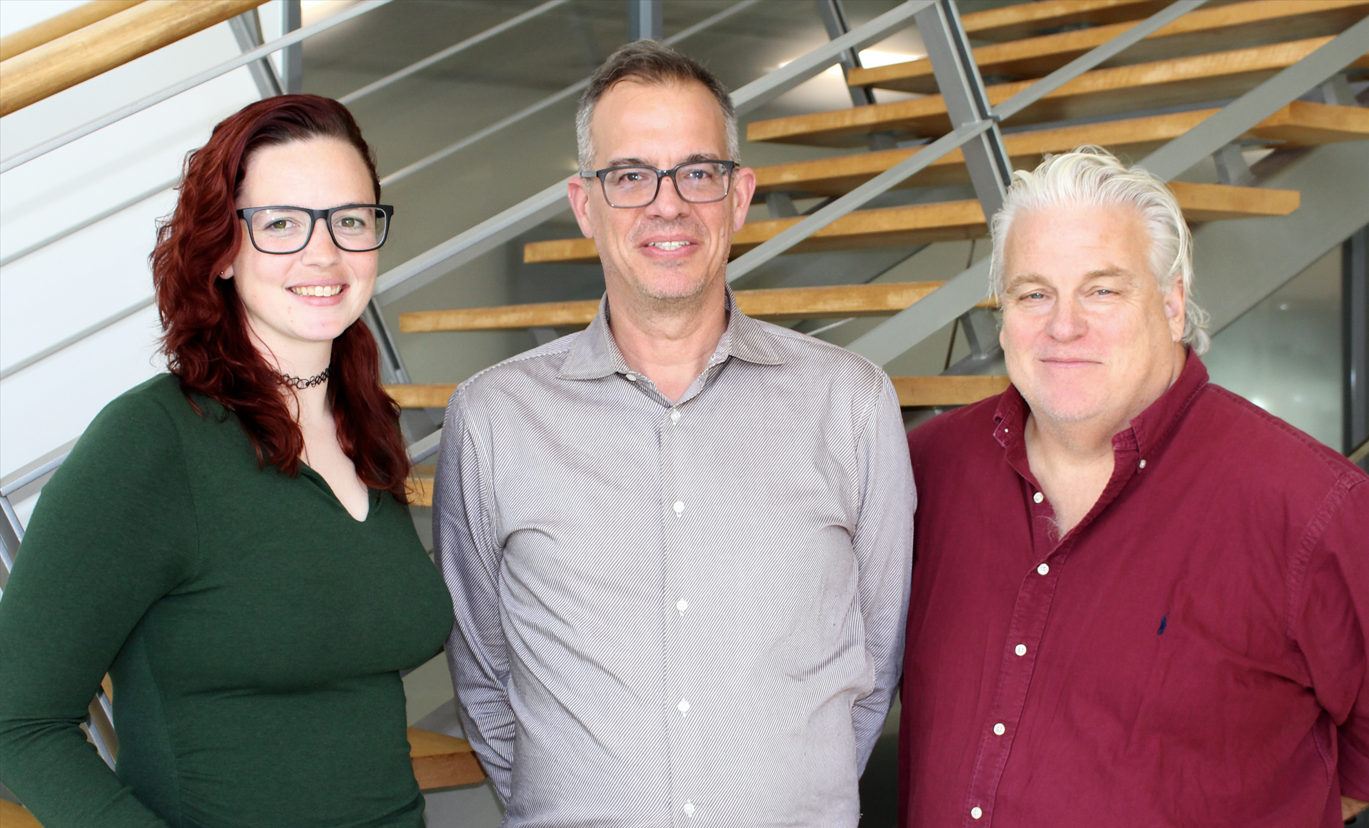
We would like to express our sincere gratitude to Yoshinobu Ajiki, Yu Uchida, and Reona Inoue of TANIDA Co., Ltd., and Masahiro Miyashita of Epson Sales Japan Corporation for generously sharing their valuable insights and for their extensive cooperation through the meetings and interviews conducted in preparing this case study.
Global Graphics K.K.
Representative Director Yoshiyuki Hagiwara
AIOS Nagatacho 613, 2-17-17 Nagatacho, Chiyoda-ku, Tokyo 100-0014, Japan
info@globalgraphics.co.jp