Democratizing Color Management: Hybrid Software’s Vision for Digital and Conventional Printing
At LabelExpo Barcelona, Christopher Graf, Managing Director & VP Color at Hybrid Software, shared how the company is transforming color management from an expert-only domain into an accessible tool for the entire production team—solving one of the packaging industry’s most pressing challenges.
Breaking Down Barriers in a Changing Industry
The packaging industry faces a critical challenge: the color experts who have traditionally managed complex printing workflows are becoming increasingly rare. These highly specialized professionals, often working behind closed doors in carefully controlled environments, possess knowledge that’s difficult to replace.
Hybrid Software recognized this challenge and developed a fundamentally different approach.
“We were thinking about a model for how we could democratize color management for our customers,” Christopher Graf explained. “The result is a system that, while requiring expert setup initially, can be operated by sales teams, customer service representatives, and technical staff—not just color specialists.”
Bridging Digital and Conventional Workflows
Today’s packaging producers face another complexity: managing both digital and conventional printing processes simultaneously. As companies transition toward digital printing or operate hybrid workflows, they encounter a fragmented landscape where different presses create their own isolated ecosystems.
“Every digital press has its own little world, and this is a big challenge for our customers,” Graf noted. The fundamental question becomes: which press should run which job?
Hybrid Software’s solution addresses this directly, enabling producers to predict with a single click the most economical, color-accurate, and suitable production process for each specific order. This flexibility allows companies to freely choose between digital and conventional printing based on the unique requirements of each job—whether it’s substrate type, ink system, or other production variables.
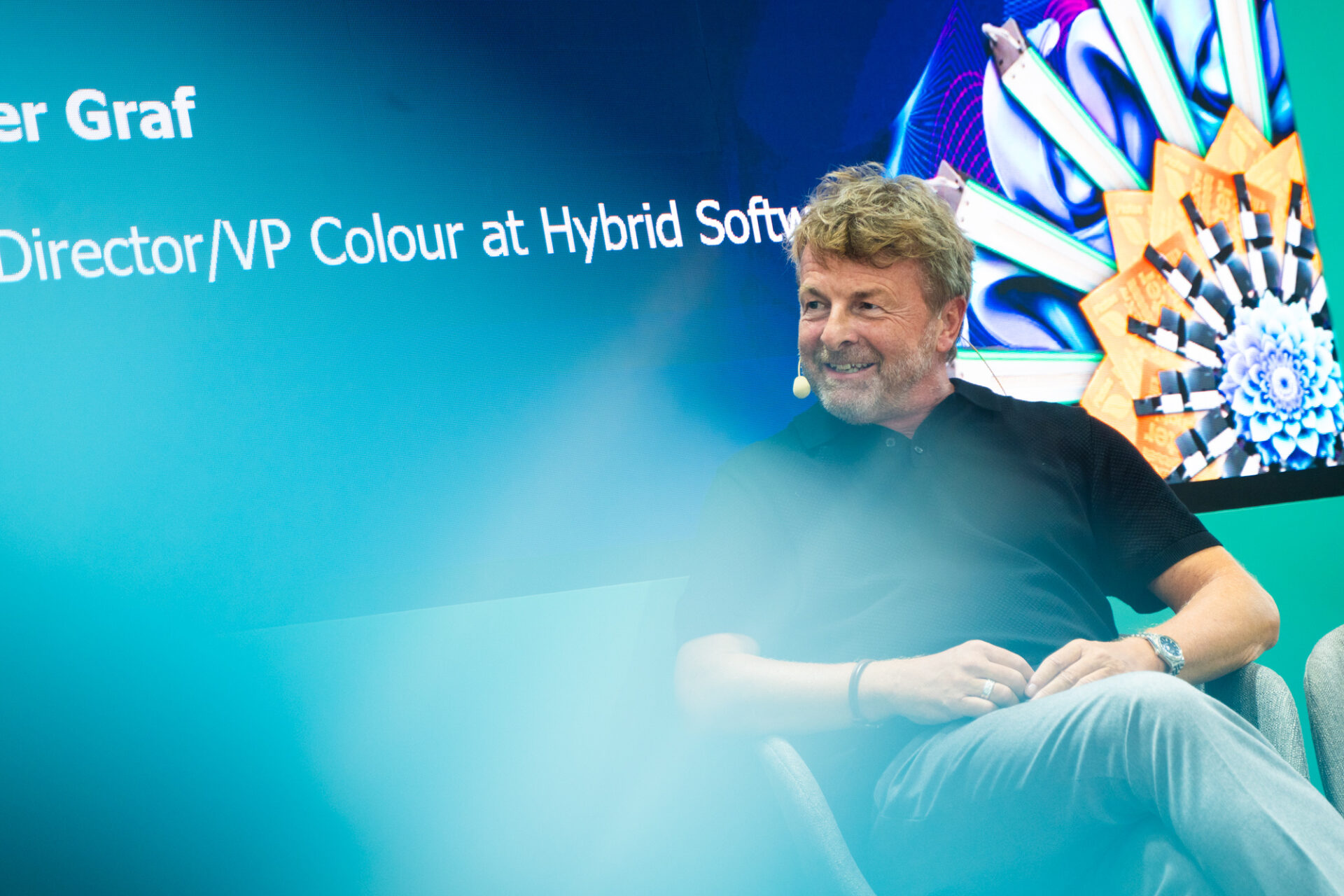
Mark Stephenson, Business Development Manager at FUJIFILM, and Christopher Graf, Managing Director & VP Color at Hybrid Software discuss Hybrid’s color workflow at Labelexpo Europe 2025
Built for Real-World Production
Hybrid Software’s partnership with press manufacturer partners like Fujifilm demonstrates commitment to practical solutions. The company developed drivers for the Fujifilm Jet Press FP790 and works directly with mutual customers running these presses in production environments.
Hybrid Software focuses on the essential task of file preparation—ensuring files are properly configured for their intended printing process, whether digital or conventional. This attention to the production floor, rather than theoretical capabilities, reflects Hybrid Software’s deep understanding of labels and packaging workflows.
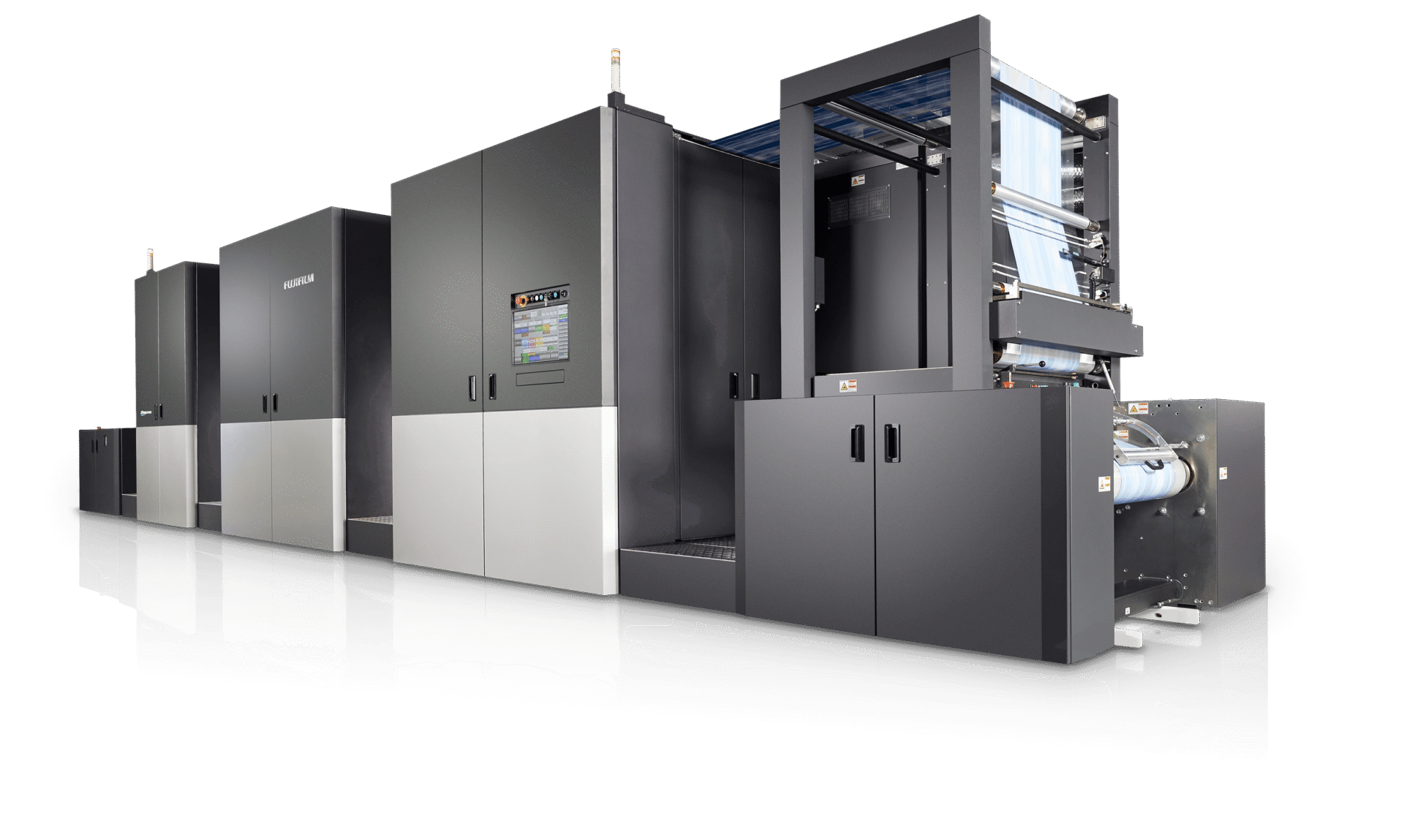
Hybrid Software provides the broader workflow intelligence for the FUJIFILM Jet Press FP790, digital flexible packaging press, that helps customers determine when to use the FP790 versus other printing methods, and ensures files are properly prepared regardless of which process is chosen. This gives FP790 owners flexibility to optimize their production across their entire equipment portfolio, not just the digital press. Learn more here
Empowering the Entire Team
At its core, Hybrid Software’s approach represents a shift in how color management and production planning function in modern packaging workflows. By making sophisticated color management accessible beyond the traditional expert pool, enabling seamless transitions between digital and conventional printing, and providing unprecedented visibility into expected results, Hybrid Software helps packaging producers navigate the complexities of today’s multi-process production environments. This democratization extends throughout the value chain, with CLOUDFLOW Pagebuilder’s customized interfaces ensuring that everyone—from customer service/sales to press operators—can interact with these powerful tools in ways tailored to their specific needs and expertise.
The result is software that works in the background—automating processes, controlling workflows, and solving problems so effectively that when it’s working correctly, it becomes invisible. And that, according to Graf, is exactly how it should be.